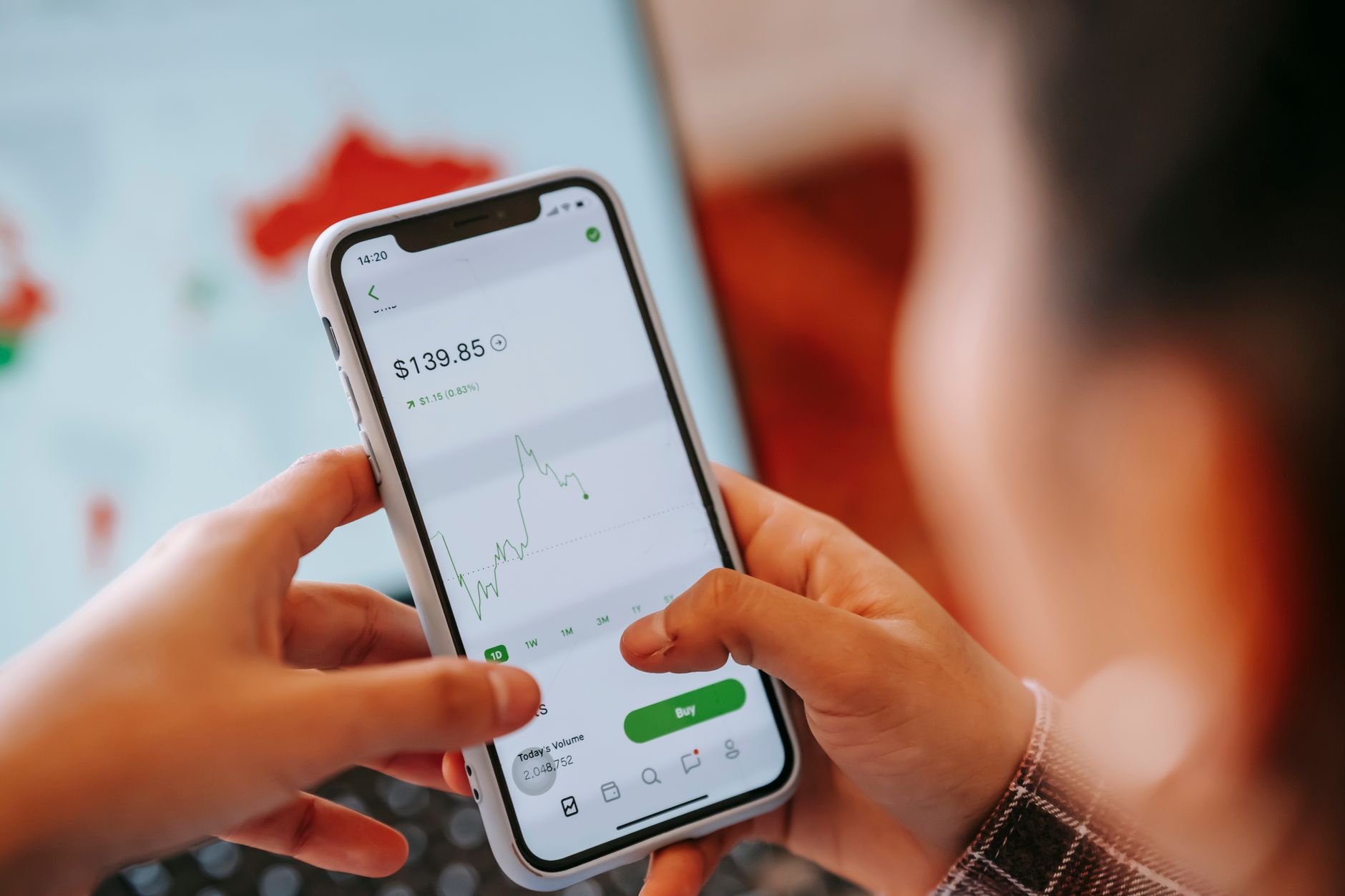

It usually starts small. A tight month, a bill due tomorrow, and a quick loan app one tap away. You borrow a little to cover the electricity or the rent, tell yourself it is a one-time fix, and move on. The problem is that recurring bills recur, and borrowing to pay them can quietly turn a single shortfall into a habit that costs far more than the bills themselves. Before you use borrowed money to cover regular expenses, it is worth a plain cost check. Not to shame the choice, but to see clearly what it actually costs and whether there is a better way.
Contents
- Why do people borrow to cover regular bills in the first place?
- What does borrowing for a bill actually cost?
- Is a one-time gap different from a monthly pattern?
- How does the debt build up if it becomes a habit?
- When might borrowing for a bill actually be reasonable?
- What should you check before you tap borrow?
- Are there alternatives worth trying first?
- So how should you decide?
Why do people borrow to cover regular bills in the first place?
Usually because the timing is off, not because the money is gone. Income arrives on one date, a bill payment falls due on another, and a gap opens in between. A quick loan app fills that gap in minutes, which feels like a clean solution at the moment.
Sometimes it is a genuine emergency, like a medical cost that eats the month’s budget. Other times it is a slow squeeze, where expenses have crept above income and borrowing patches the difference month after month. The first is a timing issue. The second is a deeper problem a loan does not solve, only postpones.
What does borrowing for a bill actually cost?
More than the bill. When you borrow to pay a charge, you pay the charge plus interest plus any fees the lender adds.
Say a bill payment of a modest amount gets covered by a short loan. The interest might look small as a percentage, but on a short tenure it becomes a real chunk of the amount borrowed once you add a processing fee. Now imagine doing that every month. You are not paying your bills anymore. You are paying them plus a recurring premium for the privilege of paying late. That premium is the true cost, easy to miss when you focus only on clearing the bill today.
Is a one-time gap different from a monthly pattern?
Very much so, and this distinction is the one to be honest about. A one-time gap is defensible. If your salary is delayed or an unexpected cost hit, using a quick loan app to cover a bill and repaying it next payday can make sense, especially if the alternative is a late fee or a service cutoff that costs more.
A monthly pattern is a warning sign. If you keep borrowing to cover the same bills, the loan is not fixing anything. It masks a gap between what you earn and what you spend, and each month that gap grows because you now owe the previous month’s borrowing too. One-time borrowing buys you time. Repeated borrowing buys you a slowly tightening trap.
How does the debt build up if it becomes a habit?
Quietly, and faster than it feels. The danger with borrowing for recurring costs is that the loans stack. You borrow to pay this month’s bills, then next month you owe that repayment plus the new bills, so you borrow more to cover both.
Each cycle, the amount you need grows, because you are financing both your living costs and the interest on what you already borrowed. What began as a small gap becomes a balance that demands its own monthly payment. This is how manageable expenses turn into unmanageable debt, not through one big mistake but through a series of small, reasonable-seeming taps. The math compounds against you a little more each round.
When might borrowing for a bill actually be reasonable?
There are honest exceptions. If missing a bill triggers a penalty or reconnection charge larger than the loan’s cost, borrowing to avoid it can be the cheaper path. If a bill is tied to something essential, like keeping the lights on or avoiding a medical lapse, the calculation shifts too.
The test is whether the borrowing solves a genuine timing problem you can clearly repay, and whether the loan costs less than not paying. A bill payment covered by a short loan you will comfortably clear next payday is reasonable. The same payment covered by a loan you have no plan to repay is where the trouble starts.
What should you check before you tap borrow?
Run a few questions before you commit. They take a minute and can save you from a costly cycle.
First, what is the total cost of the loan, meaning interest plus fees, not just the headline rate? Second, do you have a clear plan to repay it from your next income, or are you hoping it works out? Third, is this a one-time gap or the third month in a row? And fourth, is there a cheaper option, like asking the biller for an extension, that avoids borrowing entirely? If the loan costs more than a late fee and you have no firm repayment plan, that is a signal to pause.
Are there alternatives worth trying first?
Often, yes. Many billers allow a short extension or a payment plan if you ask, which can bridge a timing gap with no interest at all. Rearranging which bills you pay first, so the essential ones clear and the flexible ones wait a few days, can also close a small gap. Building even a tiny buffer over time, so a delayed paycheck does not immediately force a quick loan app, is the longer-term fix. None of these are as instant as borrowing, but they avoid adding cost to expenses you already struggle to cover.
So how should you decide?
Treat borrowed money for recurring bills as a tool for rare timing gaps, not a monthly crutch. For a genuine one-time shortfall with a clear repayment plan, a small loan can be reasonable, especially when the alternative costs more. For a pattern that repeats, the real issue is the gap between income and expenses, and no loan will close that.
The cost check is simple. Add up what the borrowing truly costs, ask whether you can clearly repay it, and be honest about whether this is a one-off or a habit forming. Do that before you tap, and you keep borrowing as an occasional bridge rather than the reason your bill payment costs more every single month.
Key Takeaways
- Borrowing to cover regular expenses can lead to a habit that costs more than the actual bills due to interest and fees.
- A one-time gap in finances may justify borrowing, but repeated borrowing indicates a deeper issue between income and expenses.
- The cost of borrowing for bills includes both the original bill amount and the accumulated interest and fees from the loan.
- Before borrowing, it is important to evaluate the total cost of the loan and whether there is a clear plan for repayment.
- Many billers offer options like extensions or payment plans that can help avoid borrowing altogether.
- Treat borrowed money for recurring bills as a solution for rare timing issues rather than a regular solution for an ongoing financial gap.