
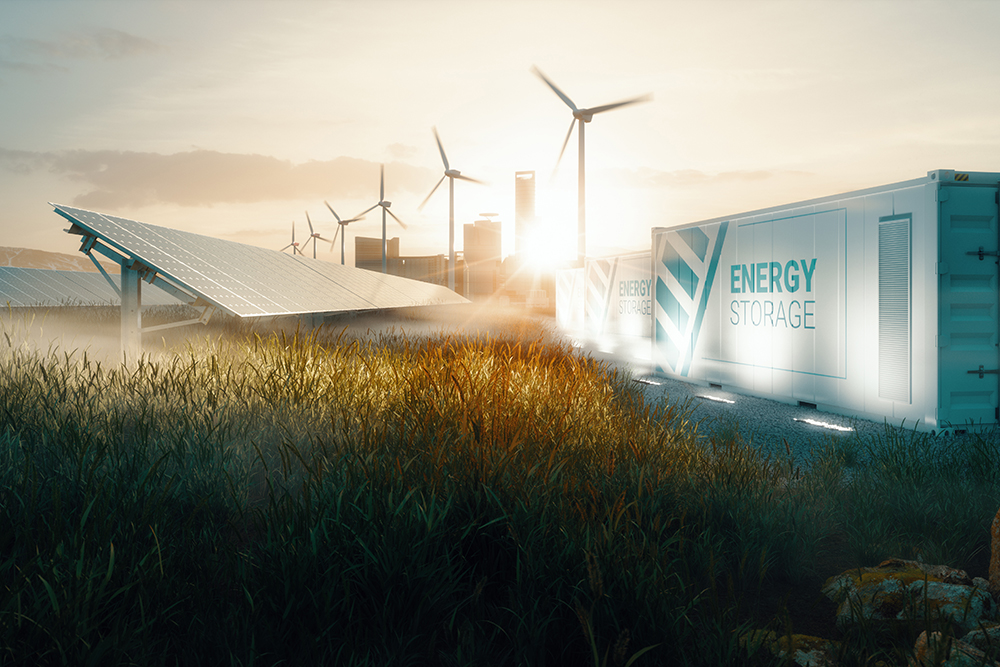
The global energy landscape is changing rapidly as industries shift toward cleaner, faster, and more efficient power solutions. From electric mobility to renewable energy storage systems, the need for advanced battery technologies has never been more important. At the heart of this transformation lies carbon ion energy, a breakthrough concept that is reshaping how energy is stored, transferred, and optimised in modern battery systems.
What makes this topic especially relevant for readers is its direct impact on everyday life. Better battery performance means longer device usage, faster charging, improved vehicle efficiency, and more reliable backup power systems. As research and development continue to expand, carbon ions are emerging as a key driver of innovation in next-generation energy storage technologies.
Carbon as the Foundation of Modern Battery Performance
Carbon has become a critical material in energy storage due to its unique ability to enhance conductivity and improve electrochemical stability. In modern batteries, carbon-based components help reduce internal resistance, allowing smoother electron flow and better overall performance.
This improvement directly translates into faster charging times and more efficient energy discharge. Carbon also plays an important role in stabilising electrode structures, which helps extend battery lifespan and maintain consistent performance over repeated cycles.
Some of the most important advantages of carbon in energy systems include improved conductivity, better thermal stability, and enhanced cycle durability. These properties make carbon essential in both traditional and advanced energy storage systems.
Evolution of Lead Acid Battery Technology
The lead acid battery has been one of the most widely used energy storage solutions for decades, particularly in automotive and industrial applications. Despite its long history, it continues to evolve through material innovation and performance enhancement.
One of the key developments in this space is the integration of carbon-based materials, which help improve charge acceptance and reduce common issues such as sulfation. This allows lead acid systems to perform more efficiently in high-demand environments where reliability is crucial.
The inclusion of advanced carbon materials also enhances deep-cycle performance, making these batteries more suitable for backup power systems and hybrid energy setups. In many cases, this evolution has helped extend the practical relevance of lead acid technology in modern energy infrastructure.
Carbon-ion energy and Its Role in Efficiency Improvement
One of the most promising advancements in battery science today is carbon ion energy, which focuses on improving ion mobility within energy storage systems. By enabling smoother ion movement, it significantly enhances charging speed and reduces energy loss during operation.
In practical terms, this means batteries can charge faster, deliver more stable output, and maintain performance over longer periods. It also helps reduce degradation caused by repeated charge and discharge cycles, which is a major limitation in many conventional systems.
As industries continue to move toward electrification, carbon ion is becoming increasingly important for applications such as electric vehicles, portable electronics, and renewable energy storage systems.
Industrial Carbon Innovation and Continua Technology
Innovation in carbon materials is not limited to laboratory research; it is actively shaping industrial energy solutions. A strong example of this progress is Continua Birla Carbon, which focuses on advanced carbon material development designed to enhance performance in energy and industrial applications.
This innovation emphasises improved material consistency, better conductivity, and enhanced structural stability, all of which are essential for high-performance battery systems. By optimising carbon structure at a microscopic level, it helps improve electrode efficiency and overall system reliability.
In addition to energy storage, such advancements also support other industries where carbon plays a functional role in performance enhancement and durability improvement.
Carbon Applications Across Energy Systems
Carbon-based materials are now widely used across multiple energy-related industries, not just in batteries. Their versatility makes them a core component in modern energy infrastructure, supporting both performance and sustainability goals.
Some of the key applications include:
- Enhancement of electrode materials in energy storage systems
- Improved conductivity in industrial energy applications
- Strengthening of composite materials for durability
- Support in renewable energy integration systems
These applications highlight how carbon has evolved from a supporting material into a central element of modern energy engineering.
Role of Carbon in Supporting Sustainable Energy Transition
- Carbon-based materials help improve energy efficiency while supporting cleaner and more sustainable energy systems
- Longer battery lifespan reduces the need for frequent replacements, lowering overall material waste
- Better conductivity and performance efficiency help reduce total energy consumption in usage cycles
- Advanced carbon structures support improved recyclability and more responsible material usage in modern battery systems
- Helps balance high performance with lower environmental impact in industrial energy applications
Future Outlook: The Next Phase of Energy Storage
The future of energy storage is strongly connected to continued advancements in carbon-based technologies. As global demand for efficient energy systems increases, researchers are focusing on improving ion transport, energy density, and lifecycle performance.
A major area of focus remains carbon ions, which is expected to play a crucial role in developing faster-charging and longer-lasting battery systems. Alongside this, material innovations like Continua Birla Carbon are helping industries achieve better consistency and performance at scale.
Future developments are expected to focus on higher-efficiency storage systems, improved integration with renewable energy sources, and reduced dependency on rare materials. These improvements will help create more sustainable and resilient energy ecosystems.
Conclusion
Energy storage is undergoing a major transformation driven by advanced material innovation. From enhancing traditional systems to enabling next-generation breakthroughs in battery technology, carbon is playing a central role in modern energy evolution.
With continued advancements in carbon-based solutions, the industry is moving toward more efficient, durable, and sustainable energy systems. As technology progresses, carbon will remain a key foundation in shaping the future of global energy storage systems.
Birla Carbon is a global manufacturer of carbon black solutions used in industries like energy, automotive, and manufacturing, focusing on performance and sustainability. continua birla carbon It is an advanced carbon initiative aimed at improving efficiency, consistency, and sustainable material performance in modern industrial applications.