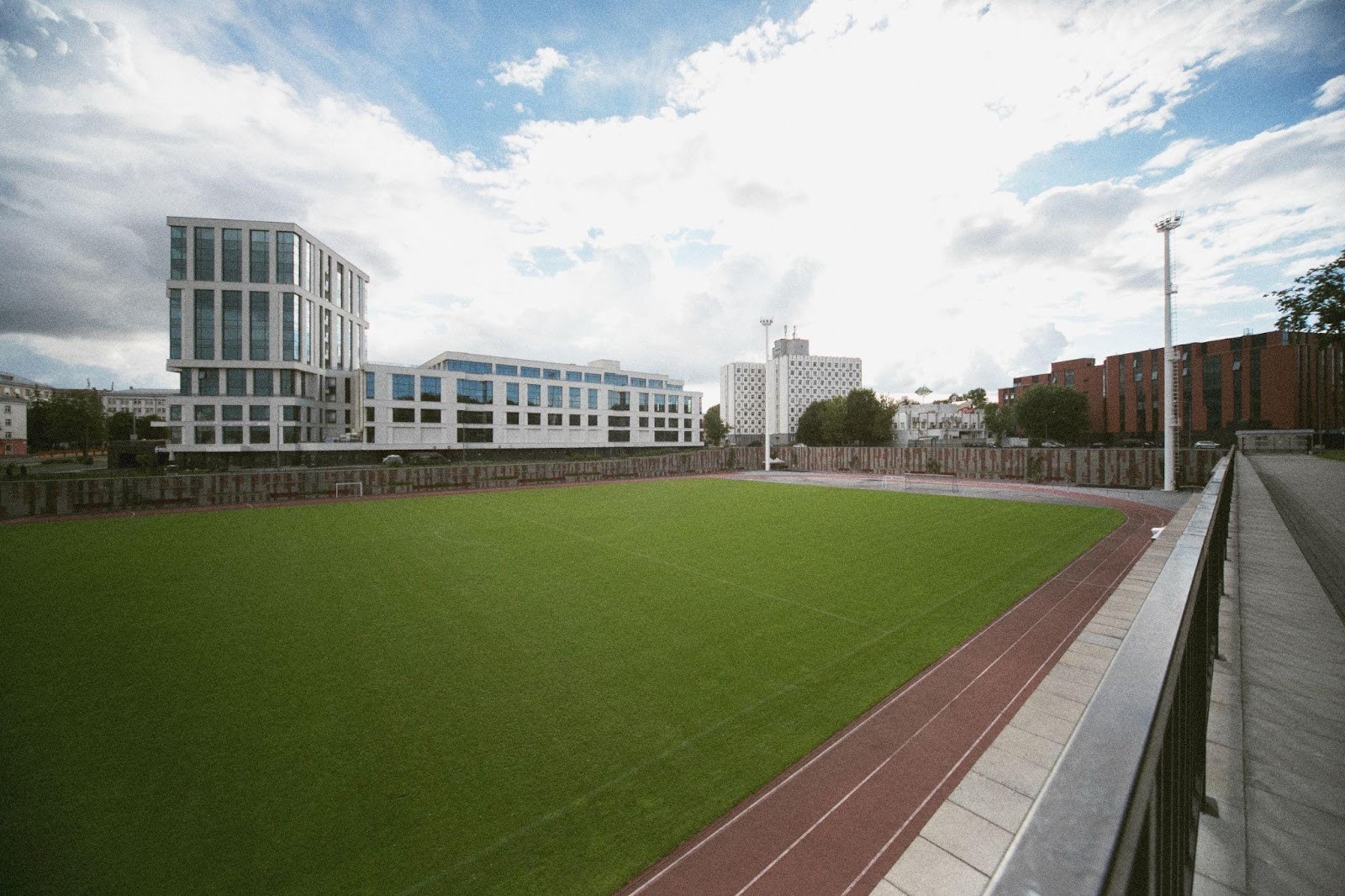

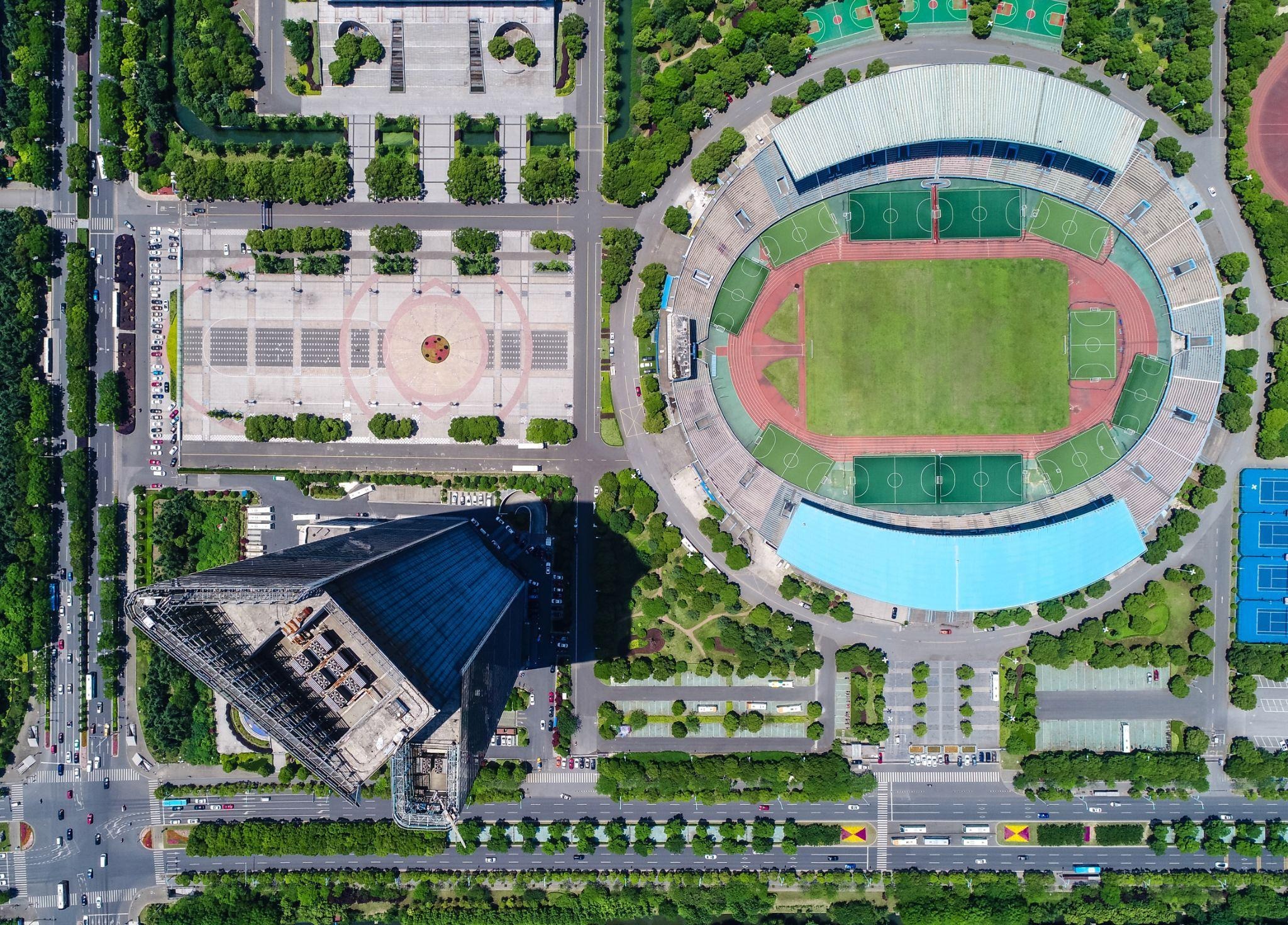
Sports venues are undergoing a significant transformation as operators seek new ways to improve performance, enhance visitor experiences, and maximize long-term returns on investment. What was once viewed primarily as a place for hosting competitions is now evolving into a connected environment where digital systems, operational intelligence, and visitor engagement work together to create greater value.
Stakeholders across the sports ecosystem are paying closer attention to emerging developments that influence venue planning, construction, management, and modernization. Discussions surrounding these advancements frequently take center stage at every major smart stadium conference, where industry leaders examine the strategies and technologies shaping the future of sports destinations.
The Rise of Intelligent Sports Venues
Modern sports destinations are expected to serve multiple purposes beyond game-day operations. They host concerts, exhibitions, community gatherings, corporate functions, and entertainment experiences throughout the year, creating a need for adaptable and efficient environments.
As utilization rates increase, operators are investing in digital capabilities that support better decision-making and stronger operational oversight. Connected systems allow management teams to monitor activity, improve service delivery, and respond quickly to changing conditions across large venues.
This evolution is being driven by audience expectations, commercial objectives, and the growing demand for measurable operational performance. Organizations that embrace innovation often gain greater flexibility while improving visitor satisfaction and long-term asset value.
Fan Engagement Is Becoming More Personalized
Audience expectations continue to evolve as consumers become accustomed to highly customized digital experiences. Sports organizations are responding by introducing solutions that make every interaction more relevant, seamless, and engaging.
Rather than focusing solely on the event itself, operators are examining the entire visitor journey. Every stage, from ticket purchase to post-event communication, presents an opportunity to strengthen engagement and improve satisfaction.
Personalized Content Delivery
Data-driven platforms enable organizations to provide tailored information, targeted promotions, and event recommendations based on individual preferences.
This approach creates more meaningful interactions while helping sponsors and venue operators increase engagement opportunities.
Connected Mobile Experiences
Mobile applications have become an important part of the spectator journey. They provide navigation assistance, ticket access, ordering capabilities, and real-time event information.
These features contribute to convenience while encouraging deeper interaction with venue services.
Frictionless Entry Solutions
Digital ticketing and automated access systems help reduce wait times and improve crowd flow during high-attendance events.
Efficient entry processes allow visitors to spend less time in queues and more time enjoying the experience.
Interactive Entertainment Features
Immersive displays, augmented reality activations, and dynamic digital content add new dimensions to live events.
These capabilities help create memorable experiences that extend beyond the competition taking place on the field.
Data Analytics Is Enhancing Operational Performance
Large sports complexes generate substantial amounts of information every day. Connected devices, monitoring platforms, access systems, and operational applications continuously produce insights that can improve management decisions.
The ability to interpret and act on this information has become an important competitive advantage. Analytics platforms provide visibility into visitor behavior, resource utilization, service efficiency, and operational effectiveness.
Management teams can use these insights to optimize staffing levels, improve scheduling practices, and identify opportunities for continuous improvement.
At the same time, data-driven decision-making supports more efficient planning for future events and long-term venue operations.
Real-Time Operational Visibility
Access to live information allows operators to monitor conditions as they develop and respond more effectively to changing circumstances.
Enhanced visibility contributes to smoother operations while supporting stronger service standards.
Predictive Maintenance Strategies
Connected monitoring systems help identify potential equipment issues before they result in failures or service disruptions.
This proactive approach protects critical assets while reducing maintenance costs and operational downtime.
Sustainability Is Influencing Venue Development Strategies
Environmental responsibility has become a major consideration within sports infrastructure planning. Investors, operators, and governing bodies increasingly seek solutions that support sustainability goals while maintaining financial viability.
Energy-efficient systems, resource management technologies, and environmentally conscious construction practices are becoming common features in modern projects. These initiatives help organizations reduce operational costs while strengthening environmental performance.
Many new developments incorporate intelligent energy management systems capable of monitoring consumption patterns and identifying optimization opportunities.
Long-term sustainability planning also supports resilience objectives, helping venues remain competitive and relevant throughout extended operational lifecycles.
Key sustainability priorities frequently include:
- Energy efficiency initiatives
- Water conservation measures
- Waste reduction programs
- Sustainable building materials
- Carbon reduction strategies
These efforts contribute to responsible development while supporting broader organizational objectives.
Security and Safety Are Advancing Through Technology
Ensuring visitor safety remains one of the most important responsibilities for venue operators. As attendance levels grow and operational environments become more complex, organizations require advanced solutions that strengthen protection measures without creating unnecessary friction.
Modern security frameworks integrate surveillance platforms, access control systems, analytics tools, and coordinated response procedures. These technologies improve situational awareness while helping security teams make informed decisions during events.
Comprehensive monitoring capabilities allow personnel to identify potential concerns more quickly and respond with greater precision.
Improved coordination between systems also enhances emergency preparedness and supports effective incident management strategies.
Common priorities for venue security programs include:
- Access management controls
- Intelligent monitoring capabilities
- Emergency response planning
- Crowd management solutions
- Risk mitigation strategies
These measures help create safer environments for spectators, athletes, staff, and event partners.
Final Thoughts
What will separate tomorrow’s leading sports destinations from the rest? The answer lies in their ability to combine operational intelligence, visitor engagement, sustainability, safety, and commercial performance into a unified strategy. Organizations that successfully integrate these priorities will be better positioned to deliver exceptional experiences while maximizing the long-term value of their investments.
Looking to understand where the industry is heading next? The Smart Stadiums & Sports Infra Summit brings together venue operators, sports organizations, architects, developers, technology providers, government representatives, and infrastructure leaders to explore the future of connected sports destinations. Through discussions focused on stadium development, venue technology, smart operations, fan engagement, sustainability, and investment opportunities, the summit serves as a valuable platform for learning, collaboration, and industry advancement. For professionals seeking actionable insights and meaningful connections, participating in a leading smart stadium event offers a direct pathway to understanding the trends transforming modern sports venues.