
Tiles play a crucial role in modern construction, providing both functionality and visual appeal to spaces. However, the overall strength and durability of tiled surfaces depend not only on the tiles but also on the bonding material used underneath. This is where tile adhesives become highly important. High-quality tile fixing adhesives ensure strong bonding, prevent tile movement, and reduce the risk of cracks or damage over time. They also help maintain alignment and improve resistance to moisture and stress.
Understanding the role of tile fixing adhesives enables homeowners and professionals to achieve long-lasting, stable, and reliable tiled surfaces in both residential and commercial projects.
Understanding Tile Fixing Adhesives and Their Role
Tile fixing adhesives are specially formulated bonding materials designed to fix tiles securely to surfaces such as walls and floors. Unlike traditional cement mortar, modern tile fixing adhesives provide superior adhesion, flexibility, and resistance to environmental factors. These advanced formulations allow tiles to remain firmly in place even under stress, temperature variations, and moisture exposure.
The use of tile fixing adhesives ensures even distribution of bonding strength, reducing the risk of hollow spots and tile detachment. As construction standards evolve, these materials have become a preferred choice for both residential and commercial projects.
Key Components of Tile Fixing Adhesives
High-quality tile fixing adhesives are made using a combination of cement, polymers, and performance-enhancing additives. These components work together to improve bonding strength and durability. Polymers increase flexibility, allowing the adhesive to accommodate minor structural movements without cracking. Additives enhance water resistance, workability, and setting time, making application more efficient.
The balanced composition of tile fixing adhesives ensures consistent performance, making them suitable for various surfaces, including concrete, plaster, and existing tiles.
How Tile Fixing Adhesives Improve Strength
One of the main advantages of using tile fixing adhesives is their ability to provide superior bonding strength compared to traditional methods. These adhesives form a strong mechanical and chemical bond between the tile and the substrate, ensuring stability over time.
The inclusion of advanced tile fixing adhesives components allows the adhesive to penetrate surface pores, creating a firm grip. This reduces the chances of tiles loosening or cracking under pressure. As a result, tiled surfaces remain intact even in high-traffic areas or under heavy loads.
Enhancing Durability with Modern Adhesives
Durability is a key concern in construction, and tile fixing adhesives play a significant role in achieving it. These materials are designed to withstand environmental challenges such as temperature fluctuations, moisture, and mechanical stress.
Using high-quality tile chemical solutions helps prevent common issues like tile lifting, cracking, and water seepage. This ensures that tiled surfaces maintain their appearance and functionality for years without frequent repairs or replacements.
Types of Tile Adhesives
Different types of tile adhesives are available to suit various applications:
- Cement-Based Adhesives: Commonly used for standard tile installations, offering strong bonding.
- Polymer-Modified Adhesives: Enhanced with polymers for improved flexibility and strength.
- Epoxy-Based Adhesives: High-performance tile fixing adhesives suitable for heavy-duty and industrial applications.
- Ready-Mix Adhesives: Convenient options for quick and easy installations.
Choosing the right type ensures optimal performance and long-lasting durability.
Application Techniques for Best Results
Proper application is essential to maximize the benefits of tile fixing adhesives. Even the best products may fail if not used correctly. Follow these guidelines for effective application:
- Surface Preparation: Ensure the surface is clean, dry, and free from dust or grease.
- Mixing: Prepare the adhesive according to instructions to achieve the right consistency.
- Application: Use a notched trowel to spread the adhesive evenly.
- Tile Placement: Press tiles firmly into the adhesive to ensure proper bonding.
- Curing: Allow sufficient time for the adhesive to set and achieve full strength.
Using the right tile fixing adhesives and following proper techniques ensures a durable and stable tiled surface.
Benefits of Using Tile Fixing Adhesives
Using high-quality tile fixing adhesives offers several advantages:
- Strong and reliable bonding for tiles
- Improved resistance to moisture and temperature changes
- Reduced risk of cracks and tile detachment
- Enhanced flexibility to handle structural movement
- Long-lasting performance with minimal maintenance
These benefits make tile fixing adhesives solutions an essential component of modern tiling practices.
Common Mistakes to Avoid
Despite their advantages, improper use of tile fixing adhesives can lead to issues. Avoid these common mistakes:
- Applying adhesive to unprepared or uneven surfaces
- Using the incorrect adhesive type for specific tiles
- Skipping proper curing time
- Applying too thick or too thin layers
- Ignoring environmental conditions during installation
Preventing these errors ensures that the tile fixing adhesives perform effectively and deliver long-term durability.
Why Tile Fixing Adhesives Are Better Than Traditional Methods
Traditional cement mortar has been widely used in the past, but it lacks the advanced properties of modern tile fixing adhesives. Mortar often results in uneven bonding and weak adhesion, increasing the risk of tile failure.
In contrast, tile fixing adhesives formulations provide consistent bonding, better flexibility, and improved resistance to external factors. This makes them a superior choice for contemporary construction projects.
Long-Term Value of Using Tile Fixing Adhesives
Investing in high-quality tile fixing adhesives offers long-term value by reducing maintenance and repair costs. Durable bonding ensures that tiles remain intact for years, minimizing the need for frequent replacements.
Advanced tile fixing adhesives also enhance the overall performance of tiled surfaces, making them suitable for both residential and commercial environments. This reliability makes them an essential part of modern construction.
Conclusion
The strength and durability of tiled surfaces depend largely on the materials used for installation. Choosing high-quality tile adhesives ensures strong bonding, improved flexibility, and long-lasting performance. With the support of advanced tile fixing adhesives formulations, these adhesives provide superior resistance to moisture, temperature changes, and structural stress. Proper selection and application result in durable, visually appealing surfaces that stand the test of time.
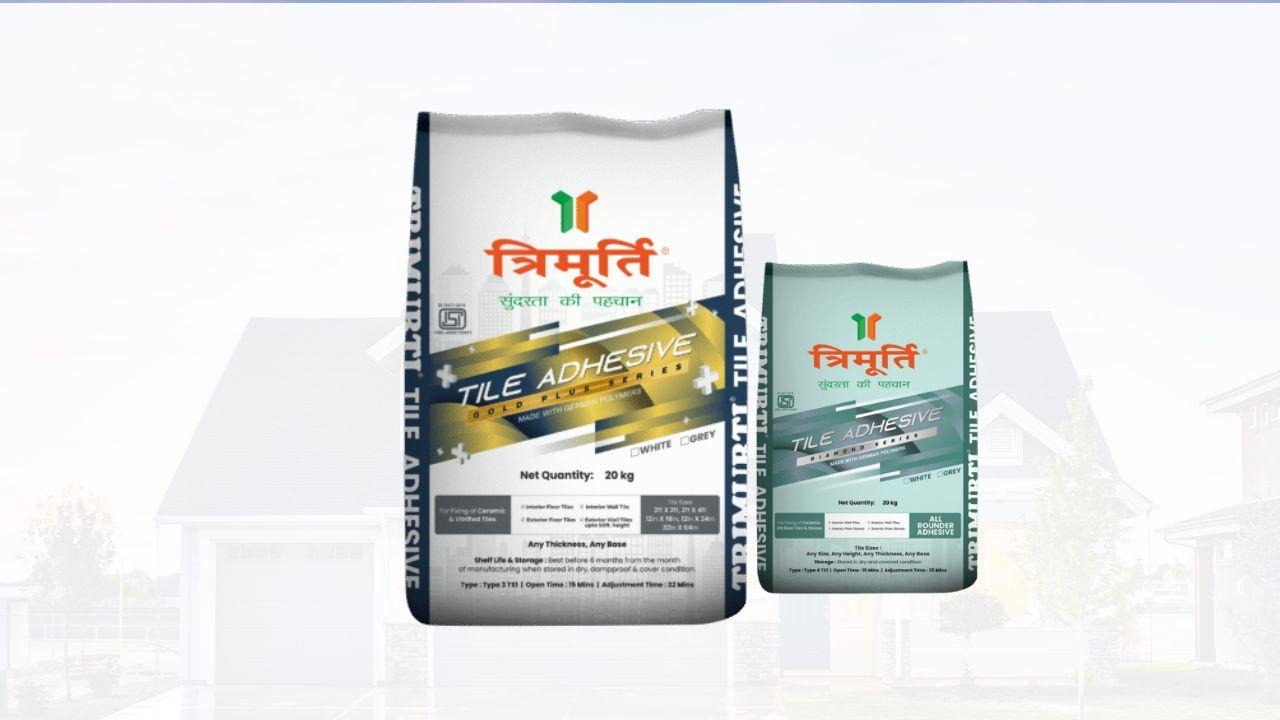
For modern construction needs and enhanced surface performance across projects, Trimurti offers a wide range of tile solutions, including high-performance adhesives and advanced tile fixing adhesives designed for strength and durability. Their expertise supports builders, contractors, and homeowners in achieving reliable, long-lasting tiled surfaces with professional-quality results, while also helping customers understand factors influencing the Trimurti tile adhesive price, ensuring efficiency, consistency, and superior bonding performance across various construction and interior applications.