
Structural steel makes up the core of numerous commercial and industrial projects and even some multifamily or single-family residential projects. Everybody pays much attention to steel beams and columns, however, the connections that weld these essential components are every bit as important. Welding and bolting are two of the most commonly used connection methods.
Both have benefits that are not found in the other and include how they affect the strength, cost, and even efficiency of a construction project.
Why Steel Connections Matter?
Structural steel connections are interfaces that transfer loads between various members of a building or structure. A well-made link will be both strong and secure as well as permanent.
The decision between a bolted versus welded connection is generally based on the following factors:
Project requirements.
- Site conditions.
- Timeline of construction.
- Considerations of budget.
- Future needs for maintenance.
Such information will help project managers and builders to make an informed decision.
What are Bolted Connections?
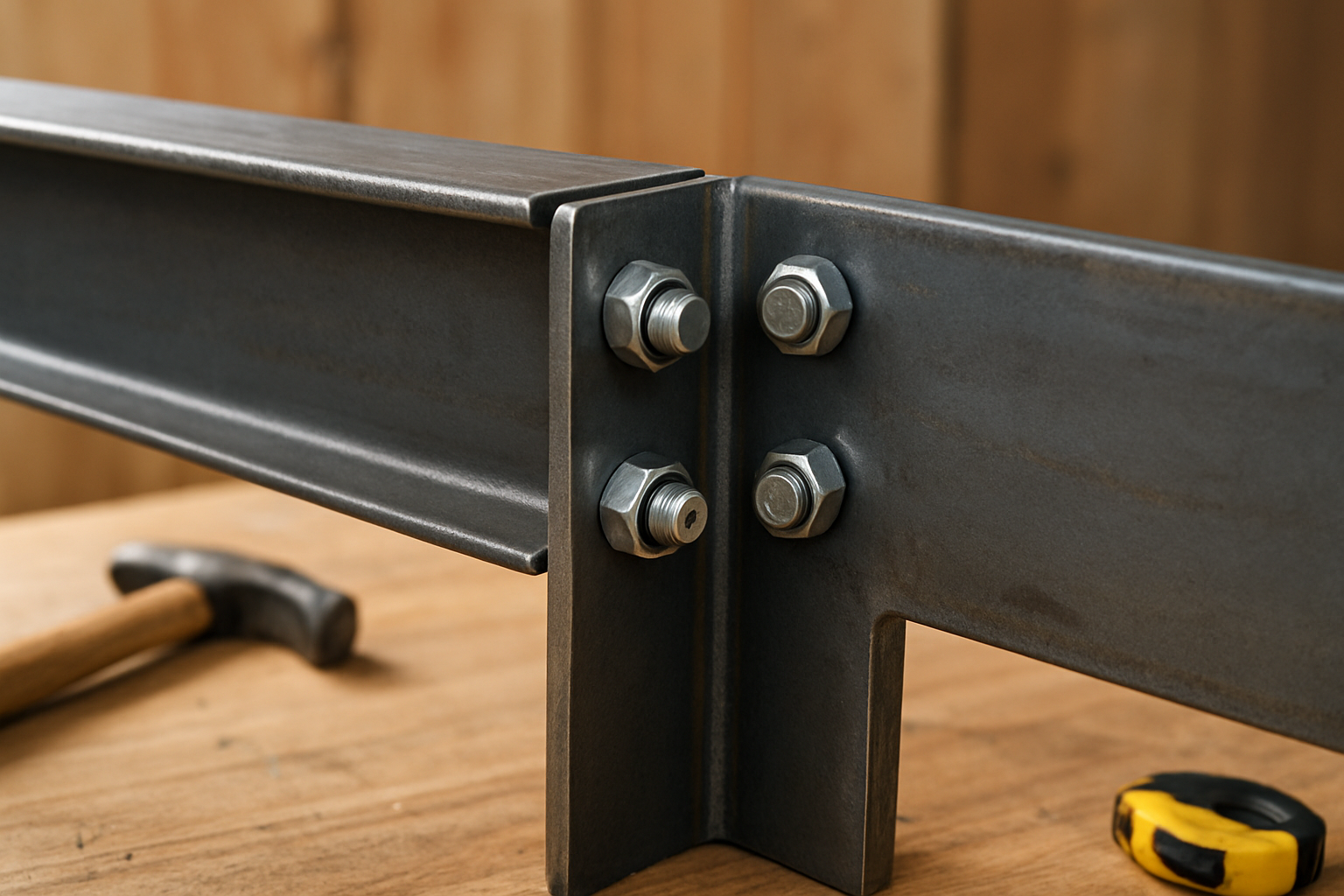
High-strength bolts are used to connect several steel members, which is referred to as bolted connections. Holes are then drilled or made in the steel components, and bolts are connected with high tension to form a connection.
Advantages of Bolted Connections
Bolted connections have practical advantages and are one of the most used types:
- Faster installation on-site.
- Easier inspection, as well as quality control.
- Simplified maintenance and replacement.
- More tolerant of the environment at installation.
For many of the steel fabricators in Melbourne, bolted connections are recommended in the construction team, which can be helpful while working on time-sensitive projects that need flexibility.
Potential Limitations
Bolted connections can work, but there are sometimes additional components such as plates, brackets, and fasteners. As welded joints can also be less invisible, this may lead to more aesthetic architectural design preferences and/or influences.
What are Welded Connections?
Welded joints are used to create a permanent bond between steel components by the application of heat and various welding methods. It is this unbroken thread that can bind the players together.
Advantages of Welded Connections
The following are the main advantages of welded joints:
- Clean and streamlined appearance.
- Strong load transfer capabilities.
- Less connection hardware needed.
- Suitable for complex structural designs.
Certain steel connections require a level of aestheticism and structural continuity expected from fabricators working in Melbourne.
Potential Limitations
In most cases, welding leads to skilled labour, very specialised equipment, and very tight quality control. On-site factors such as rain, wind, or temperature can also cause the work site conditions to suddenly shift.
The Bolted Vs Welded: Which is Better?
One answer doesn’t fit all, due to the varying demands of different projects.
Normally, bolted connections are the best choice when:
- Faster construction is required.
- Future modifications are expected.
- Site access is challenging.
- Inspection and maintenance are priorities.
When to use welded connections:
- A seamless appearance is desired.
- Space limitations exist.
- Complex structural details are involved.
- Permanent connections are preferred.
Most of the projects rely on a mix of both to get better results.
How Quality Materials and Fabrication Matter?
Regardless of steel connection type, the performance is dependent on the quality of materials and workmanship. Collaborating with reputed structural steel suppliers in Melbourne ensures that fabricated steel components are compliant with their specifications.
Likewise, for structural steel fabricators in Melbourne, it is critical that features serve accurate and reliable joints, which maintain structural integrity throughout the building’s service life.
Final Thoughts
Bolted and welded connections are key members in making the construction of modern steel-based buildings. But as each project is unique, they all enjoy an individual benefit because of the design, budget or construction methods.
Whether you are working on a commercial development or an industrial facility, sourcing quality structural steel suppliers in Melbourne and experienced steel fabricators in Melbourne is the key to being able to supply strong, durable and compliant structural steel connections designed to last as long as building itself.